

Measure 3 Things Before Swapping a Knob for a Lever

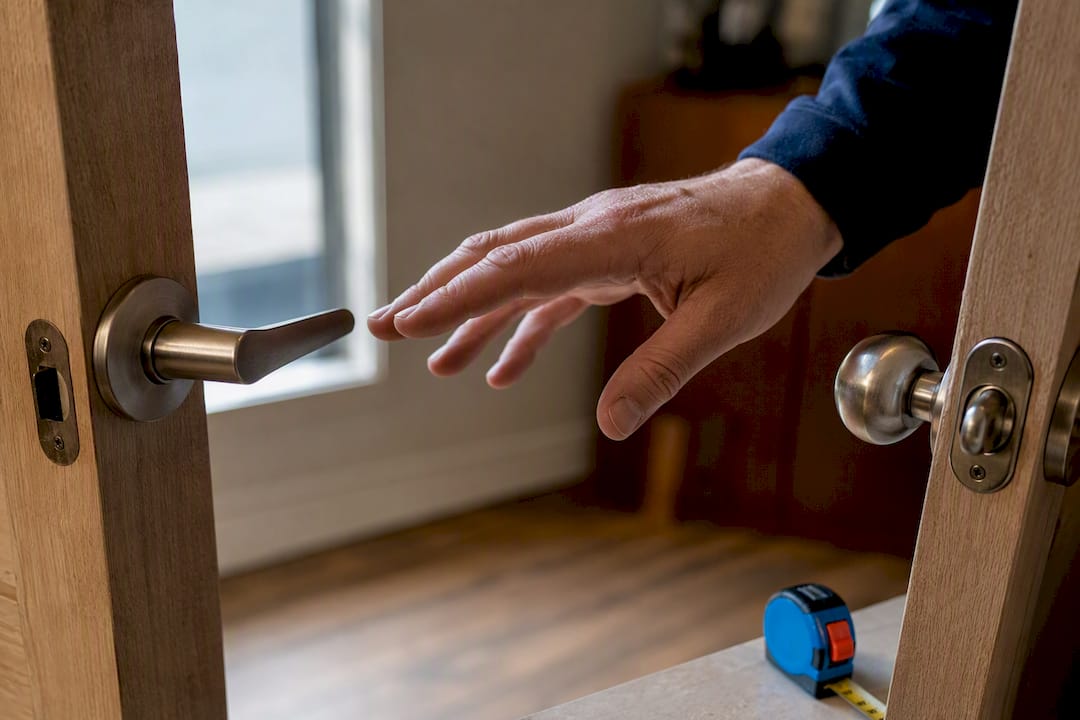
For most households, lever handles win on ease of use and accessibility, while knobs still hold their own for traditional style and keeping curious pets from letting themselves out. Your best pick depends on who uses the door, how much traffic it gets, and whether your home’s style leans classic or contemporary. Security, installation fit, and upkeep matter too, and we’ll walk through each one.
TL;DR:
Levers are ideal for high-traffic areas, providing easier operation when hands are full or mobility issues exist, while knobs suit traditional styles and pet safety.
Accurate measurements of door thickness, backset, and bore diameter are essential before swapping hardware to prevent costly modifications.
Modern levers and knobs now come in versatile styles, with levers fitting both contemporary and traditional looks, and knob designs suitable for historic or formal spaces.
Proper installation involves verifying latch alignment, strike reinforcement, and securing screws to maintain security and functionality over time.
Professional locksmith services ensure correct fit, security, and durability, especially for exterior doors or when upgrading to reinforced hardware.
Table of Contents
Lever Handle vs Knob: Comparing the Trade-Offs
The core difference comes down to motion. A lever opens with a simple push down, while a knob requires you to grip and twist. That distinction sounds small until you watch someone carrying groceries, wearing gloves, or managing arthritis try to get through a door.
Levers reduce the twisting motion that strains small joints in the hand and wrist, which is why Yale Medicine points to lever conversions as a practical way to support independence at home. If you have older family members, young kids, or anyone recovering from a hand injury, that ergonomic edge is hard to ignore.
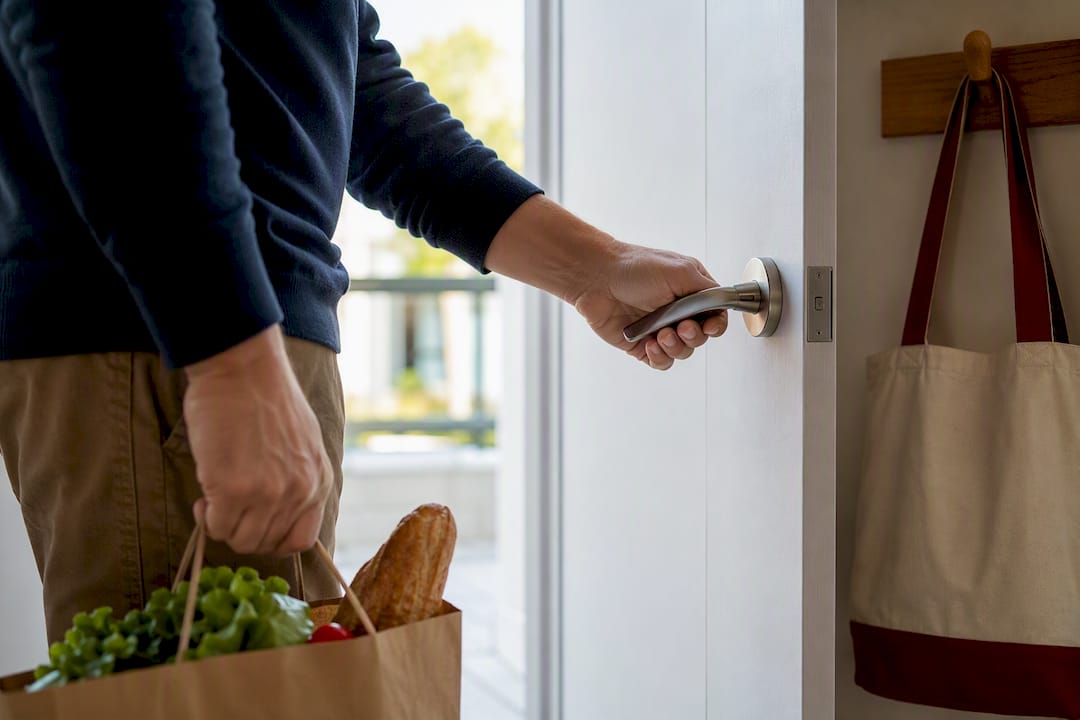
Knobs push back in one specific area: accidental openings. A lever’s long arm can catch on a swinging tail, a dangling sleeve, or a backpack strap and pop the door open. Knobs stay put unless someone deliberately grips and turns them, which is why door hardware guides still flag knobs as the safer bet around pets.
Mechanically, levers carry more moving parts, including internal return springs that keep the handle level instead of drooping. Knobs use a simpler turn mechanism with fewer failure points, so cheap knobs often outlast cheap levers.
Here’s how the two stack up when you need a quick gut check:
Choose a lever when: grip strength, accessibility, or high-traffic use matters more than style constraints.
Choose a knob when: you’re matching a period home, worried about pets nudging doors open, or want a lower-maintenance mechanism.
Either works when: the door is low traffic and finish, not function, is the deciding factor.
On style, both camps have flexed. Levers now come in shapes ranging from strict minimalist to ornate traditional. So, “levers mean modern” isn’t the hard rule it used to be.
Which Doors Suit a Lever and Which Suit a Knob?
Match the hardware to the door’s job, not just the room’s decor. Passage doors that see constant use benefit most from levers, and privacy or low-traffic rooms often do fine with knobs. Hardware function generally splits into passage, privacy, and keyed entry, and that split should guide your choice as much as looks do.
Main hallways, kitchens, and living areas: levers, since they get opened dozens of times a day, often with hands full.
Front and back exterior doors: levers paired with a proper keyed deadbolt, especially in homes planning to age in place.
Bathrooms and bedrooms: either works, but a privacy function (with a simple push or turn lock) matters more than the shape.
Closets and low-traffic storage: knobs are fine here and keep costs down.
Period-style rooms or formal spaces: knobs, particularly glass or ornate designs that suit older architecture.
If you’re mixing hardware types across a home, keep the finish consistent. A brushed nickel lever next to a brushed nickel knob reads as intentional; random mixed metals look like leftover parts.
Retrofit Checklist: Measurements and Installation Pitfalls
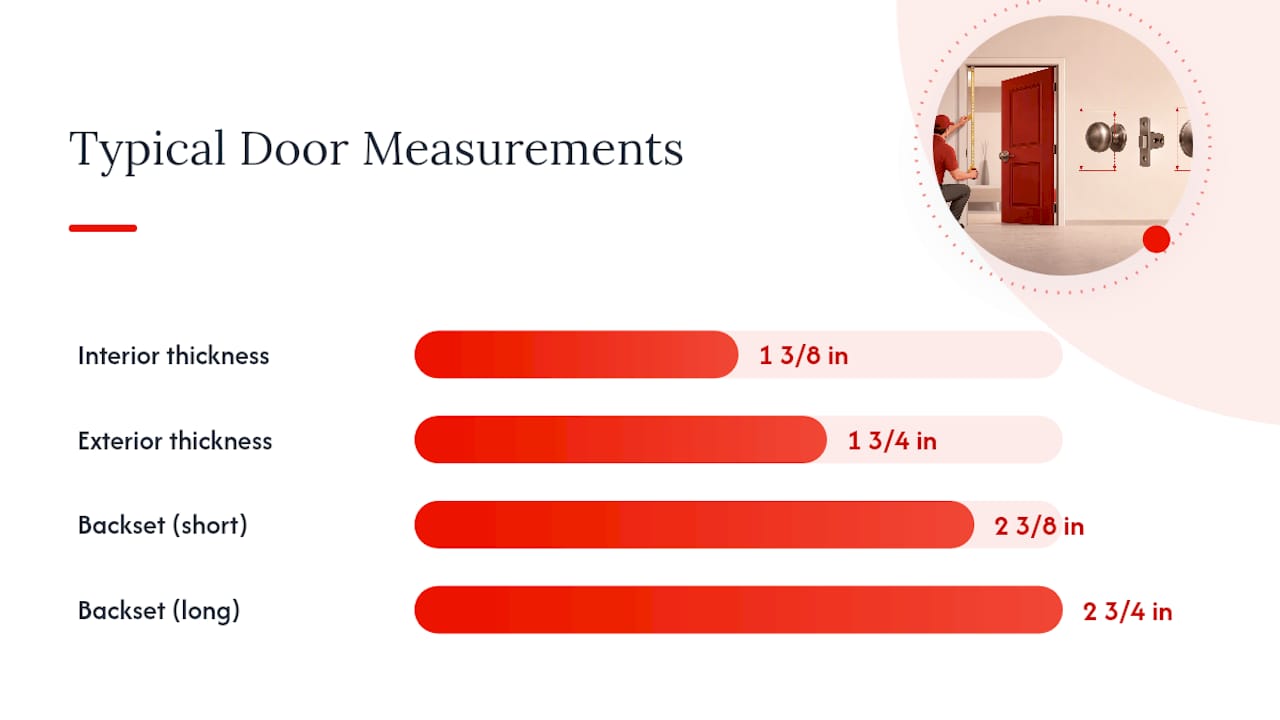
Before you buy anything, measure three things: door thickness (standard interior doors run 1 3/8 inches, exteriors usually 1 3/4 inches), backset (the distance from the door edge to the center of the bore hole, almost always 2 3/8 inches or 2 3/4 inches), and the bore-hole diameter along with your latch faceplate size. Confirming these dimensions before swapping a knob for a lever saves you from an afternoon of unexpected drilling.
Measure first. Note door thickness, backset, and bore diameter before shopping.
Match the mechanism. Most modern levers use a universal latch designed to drop into an existing knob’s bore hole without modification.
Check the faceplate. A mismatched latch faceplate size is the most common reason a “direct swap” turns into a repair job.
Install and test. Tighten mounting screws evenly, then test the latch engagement several times before calling it done.
Watch for droop. If a new lever sags after a few weeks, check the set screw and spring orientation before assuming the hardware is defective.
Pro Tip: If your bore holes don’t quite line up with a new lever’s baseplate, resist the urge to force it. A sleeve or escutcheon plate can hide the gap cleanly instead of leaving chewed-up wood around the hole.
Call a locksmith when the mortise is misaligned, when you’re upgrading to reinforced security hardware, or any time you’re installing a keyed exterior lever. Misaligned latches and loose strike plates are the two mistakes that quietly weaken a door’s security most.
What Lever and Knob Hardware Actually Costs to Own
Most basic knobs and levers land in a similar retail range for entry-level interior hardware, with levers sometimes running a bit higher because of their added moving parts. Installation costs vary widely depending on whether you handle it yourself with basic tools or bring in a professional for anything involving mortising, security upgrades, or exterior keyed sets.
Material matters more than shape for long-term durability. Solid brass and stainless steel resist wear and hold finish far longer than plated die-cast alternatives, which tend to show brassing or corrosion within a few years in humid climates.
Tighten mounting screws every few months, especially on exterior doors exposed to weather swings.
Lubricate the latch mechanism annually with a dry lubricant, not oil, which attracts grit.
Watch for lever sag, a telltale sign the internal spring or set screw needs attention.
Replace hardware once the finish is pitted or the mechanism sticks, rather than repairing worn internals repeatedly.
Matching Hardware Style to Your Home’s Architecture
Hardware shape should echo your home’s era, but the line has blurred. Manufacturer guidance still leans toward knobs for traditional homes and levers for contemporary ones, yet plenty of modern knobs and traditionally shaped levers exist now.
Victorian or colonial homes: glass or ornate brass knobs suit the detailed trim work.
Craftsman bungalows: simple round or mission-style knobs keep the look understated.
Modern and transitional builds: straight levers in satin nickel or matte black read clean and current.
Mixed hardware households: keep the finish uniform across hinges, levers, knobs, and even light switch plates for a cohesive look.
What a Locksmith Checks Before Calling an Install Complete
A proper install goes beyond screwing on a new handle. Locksmiths verify the backset matches the latch, confirm the latch aligns with the strike plate, test the lock’s full engagement, and torque screws to spec so nothing works loose in a month.
Confirm backset and bore dimensions match the new hardware exactly.
Test latch alignment by closing the door slowly and checking for resistance.
Reinforce the strike plate on exterior keyed doors, since a weak strike is one of the easiest ways a lever gets forced open.
Check cylinder quality on any exterior lock, not just the handle style.
For deeper troubleshooting, our guide on fixing a door that won’t latch covers the small adjustments that solve most sticking or misalignment issues.
Balancing Accessibility and Character in Your Home
Prioritize levers wherever people move through a door constantly. Keep knobs where a room sees light use or where the hardware itself is part of the home’s character. If you’re on the fence, hold both styles in your hand at a hardware counter before you buy. The difference in feel is more obvious than any spec sheet suggests, and your wrist will tell you faster than any review will.
— Julio Borroto
Ready for Professional Installation or a Security Upgrade?
If everything above has you leaning toward a retrofit but you’d rather not gamble on a misaligned mortise or a weakened strike plate, Progressive Locksmith - Cerrajero Miami handles the installation so you don’t have to second-guess your own drilling. Unlike a rushed DIY job, a professional visit confirms backset, bore fit, and strike reinforcement in one trip, which matters most on exterior keyed doors where a bad install can undercut your home’s security.

Our team covers everything from straightforward knob-to-lever swaps to full security upgrades and emergency lockout response. If you’re coordinating multiple trades on a renovation, a resource like Veil Concierge can help manage the schedule while we handle the hardware. Browse our full service list or check out our workshop capabilities to see what a professional install actually involves, then call to book a visit at a time that works for your household.
Sources
FAQ
What is the difference between a knob and a lever handle?
A knob opens with a gripping, twisting motion, while a lever opens with a simple downward push, which is why levers reduce strain on the hand and wrist.
Can you replace a lever door handle with a knob?
Yes, as long as the door thickness, backset, and bore-hole dimensions match, though mismatched latch faceplates sometimes require drilling or a new strike plate.
Why do some homes still use doorknobs instead of levers?
Knobs remain popular in traditional and period-style homes for their classic look, and they resist accidental openings from pets better than levers, which some hardware guides note as a real trade-off.
What looks better, knobs or levers?
Neither wins universally. Ornate or glass knobs suit Victorian and colonial homes, while straight levers in satin or matte finishes fit modern and transitional interiors better.
Can I swap my own door hardware, or should I call a locksmith?
Simple interior swaps with matching dimensions are usually DIY friendly, but exterior keyed doors, misaligned mortises, or security upgrades are worth having a locksmith like Progressive Locksmith - Cerrajero Miami handle.
Recommended
Comments