

Locked Keys in Car: What to Do Right Now

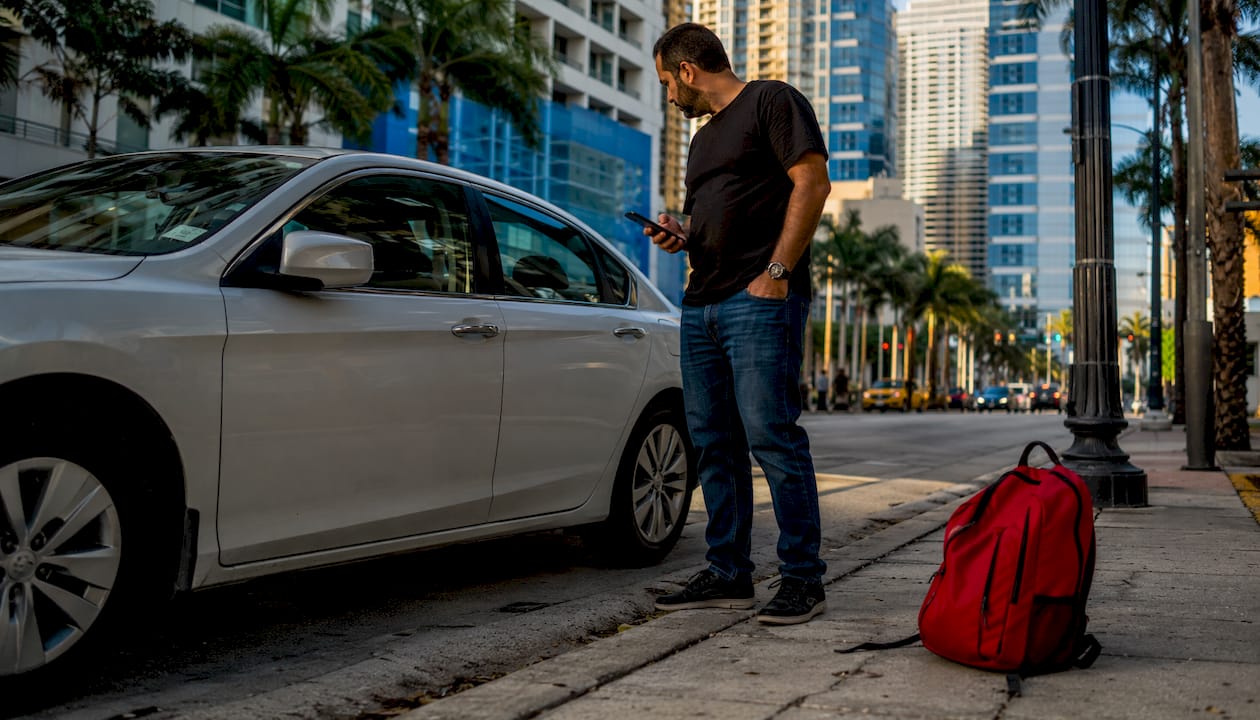
If you’ve locked your keys in your car, do three things immediately: stay calm, walk around and check every door and window, then call for help. Most lockouts resolve faster than you’d expect. If a child, pet, or anyone in medical distress is inside, skip everything else and call 911 now. Otherwise, you have real options, and none of them require panicking.
Your three-step starting point:
Stay calm. Stress causes tunnel vision. Take a breath before doing anything.
Walk the vehicle. Check every door, the trunk, and any cracked windows before assuming you’re fully locked out.
Call for help. Whether that’s a family member with a spare key, your roadside assistance provider, or a licensed emergency car locksmith, help is usually closer than you think.
Vehicle lockouts account for about 10% of AAA roadside calls in 2024, a figure that has declined slightly as keyless entry becomes more common.
Table of Contents
What should you check before calling anyone?
Before you reach for your phone, spend two minutes on a quick walk-around. AAA operations guidance notes that many lockouts are resolved simply by finding another unlocked door or window. People under stress get tunnel vision and forget to check the passenger side.
Quick checklist:
Try every door handle, front and back, on both sides.
Check the trunk or liftgate, which is sometimes left unlocked separately.
Look for any window cracked open enough to reach the interior lock.
Check your pockets, bag, and any jacket you may have set down.
Call a family member or trusted contact who may have a spare key.
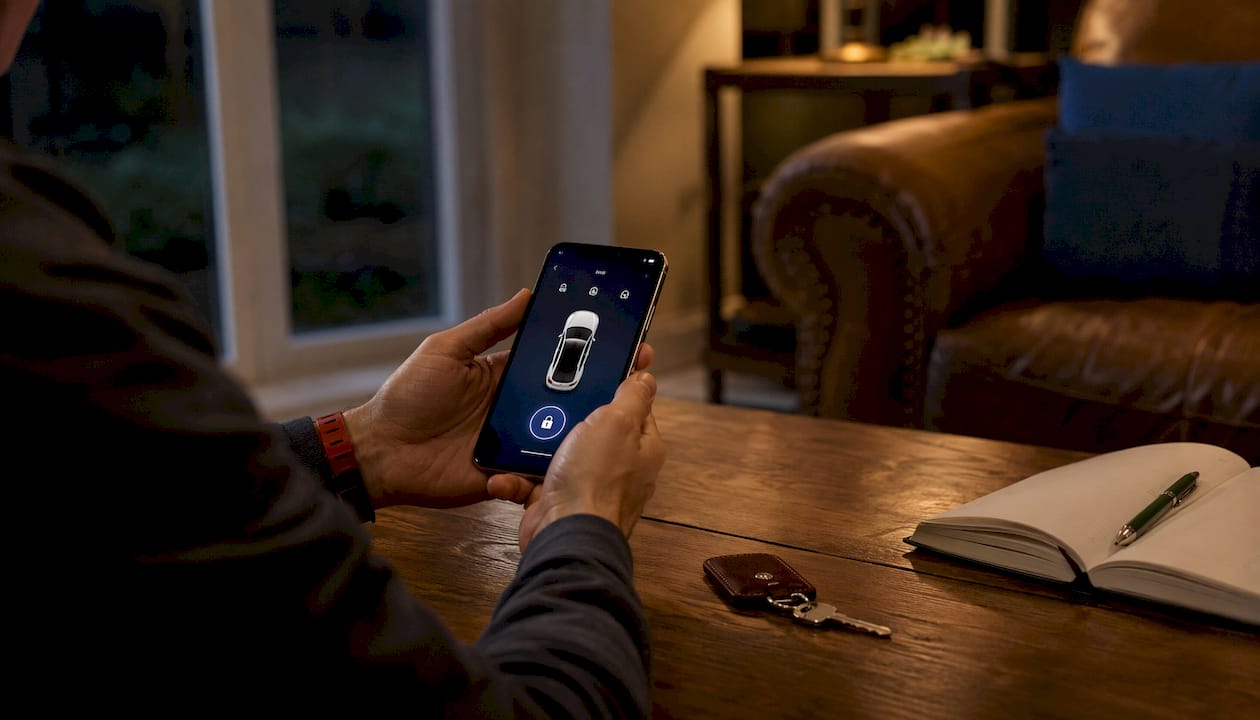
If you drive a connected vehicle, open your manufacturer’s app. Ford Pass, Toyota Remote Connect, GM’s myChevrolet, and similar apps can trigger a remote unlock from your phone. These apps require prior setup and an active subscription, so they only work if you enrolled before the lockout. A dead car battery or a drained fob battery can also block app-based access, even when the service is active.
Pro Tip: Attach your keys to a brightly colored carabiner clipped to your bag or belt loop. AAA guidance consistently points to visible key habits as one of the simplest ways to prevent lockouts before they happen.
What are your real options for getting back in?
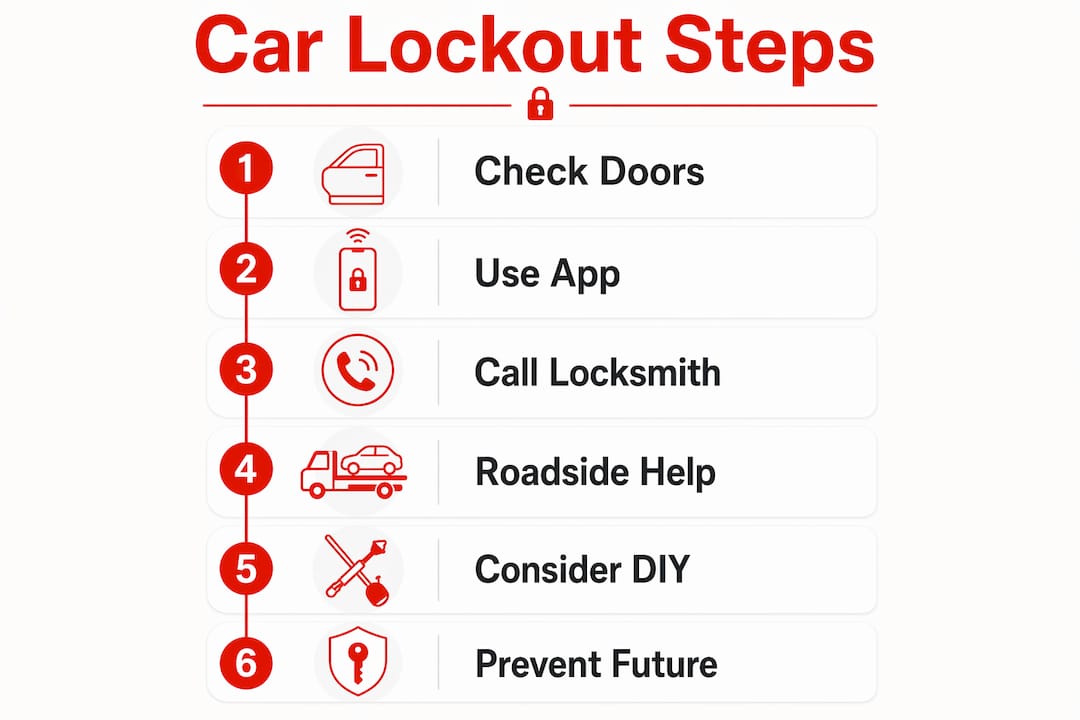
Once you’ve confirmed you’re locked out, you have six realistic paths. Here’s how they compare on the factors that matter most under pressure.
Option | Typical response | Typical cost | Damage risk | 24/7 available | Proof of ownership needed |
Spare key (family/friend) | 15 minutes | Free | None | Depends on contact | No |
Roadside assistance (AAA) | 30 minutes | Covered by membership | Very low | Yes | Yes (VIN/ID) |
Licensed locksmith | — | $50–$250 | Very low | Yes | Yes (ID/registration) |
Car dealer | Hours to days | Varies; often high | None | Rarely | Yes |
Police (non-emergency) | Varies | Free | Low to moderate | Yes | Situational |
Manufacturer app/remote | Instant (if set up) | Subscription or free | None | Yes | Prior enrollment |
All AAA membership levels include car lockout service, with higher tiers covering greater towing range and possible locksmith reimbursement. If you don’t have a membership, a licensed automotive locksmith is usually your fastest paid option. For vehicles with transponder keys or smart fobs, a locksmith or dealer may be the only ones equipped to handle key programming on top of the unlock.
Emergency rule: Call 911 immediately if a child, pet, or anyone with a medical condition is inside the vehicle. Emergency services will prioritize life-threatening situations and may break a window to prevent harm. This is the one scenario where forced entry is justified without hesitation.
Which DIY methods actually work, and which ones cause damage?
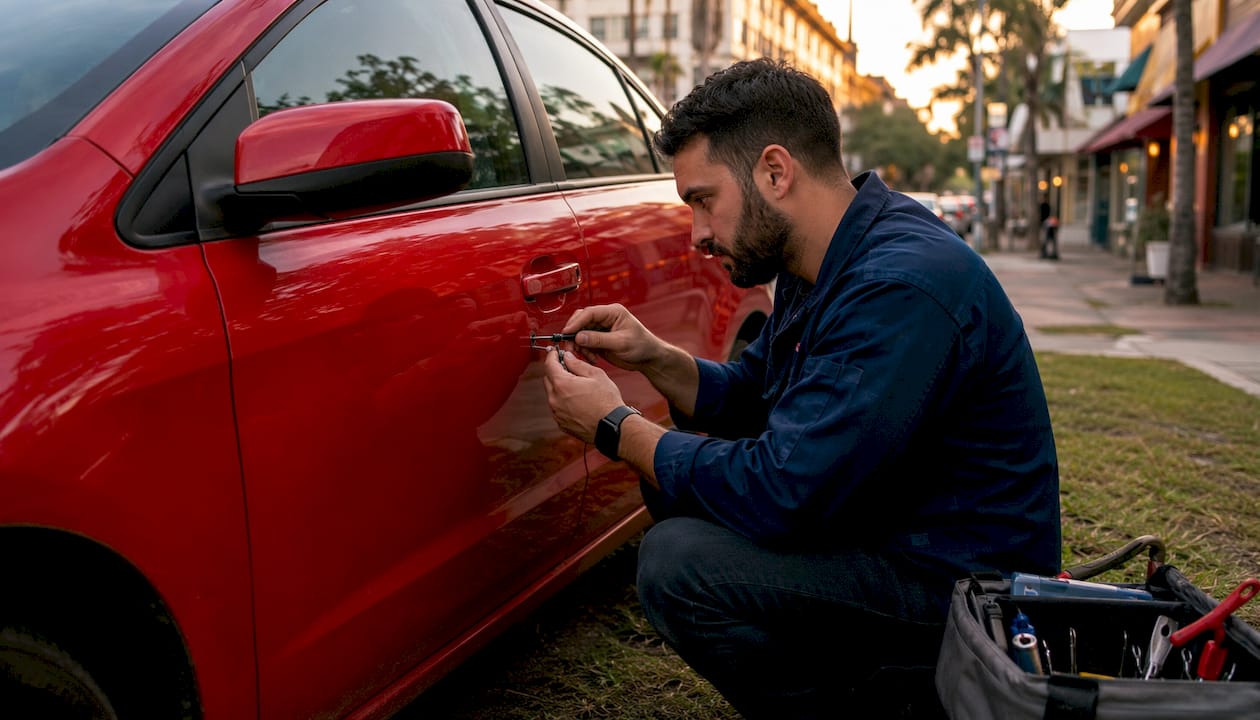
DIY entry is worth attempting only on older vehicles with manual pull-up locks, when no one is inside, and when you clearly understand the method. On modern cars with power locks, electronic systems, and side airbags, most DIY tricks fail and can cause real damage.
Common methods and their limits:
Wedge and long-reach tool: Insert a plastic or nylon wedge at the top corner of the door (opposite the hinges) to create a small gap, then use a rigid but flexible rod to push the interior unlock button. This is the method fire departments use. Metal wedges scratch paint; go plastic only.
Shoelace slip knot: Thread a shoelace with a slip knot through the door corner and lasso it around a vertical pull-up lock post. This only works on older vehicles with exposed post locks.
Wire coat hanger: Straighten the hanger, bend a small V at one end, and slide it between the weatherstripping and window to hook the lock mechanism. Works on some older manual locks; risks scratching the window and damaging seals.
Slim jim: A thin metal tool slid between the window and door panel to manipulate the lock rod. Slim jims can damage the internal workings of modern doors and have a low success rate on vehicles made in the last 15 years.
Breaking a window: Justified only in a life-threatening emergency. Choose a window away from any occupants, cover it with tape first if possible, and clear the glass before reaching in.
“Try before you pry” is the first principle in any professional forcible-entry training. Work through the lowest-risk options first. If a method requires significant force or you’re unsure what you’re touching, stop and call a professional.
Forcing entry without the right tools risks greater damage and higher repair costs than a locksmith call-out. Side airbag zones run along the door pillars on most modern vehicles. Jamming a metal tool into that area without knowing exactly where the airbag components sit is a real risk.
Who should you call, and when?
The right call depends on urgency and what’s at stake.
Call 911 immediately if a child, pet, or person with a medical condition is locked inside, especially in hot or cold weather. Police may decline non-emergency lockouts but will respond to life-threatening situations. Breaking a window may be necessary.
Call your roadside assistance provider if you have AAA or a similar membership. Coverage is included, dispatch is 24/7, and technicians carry the right tools.
Call a licensed automotive locksmith if you have no roadside coverage, or if your vehicle uses a transponder key, smart key, or proximity fob that requires programming. Locksmiths can often cut and program replacement keys on the spot, which saves a dealer trip.
Call your dealer for complex electronic key issues that require manufacturer software, though expect longer wait times and higher costs.
Call police non-emergency only if your vehicle is obstructing traffic or creating a public safety hazard. They are not a substitute for a locksmith in routine situations.
What information should you have ready when you call?
Having the right details ready cuts your wait time and avoids back-and-forth with dispatch.
Have these ready before you call:
Your exact location (cross streets, parking lot name, GPS coordinates from your phone)
Vehicle make, model, year, and color
License plate number
VIN (visible through the windshield on the driver’s side dashboard)
A valid photo ID and proof of ownership (registration or insurance card)
Where the keys are inside the car (on the seat, in the ignition, in the trunk)
Whether the engine is running
Technicians ask for proof of ownership and vehicle identifiers to avoid legal liability. A photo of your keys visible through the window, taken on your phone, speeds that verification considerably.
Pro Tip: When you call, lead with: “I’m locked out at [location], driving a [year/make/model], plate [number]. Keys are on the front seat. I have my ID and registration ready.” That single sentence gives dispatch everything they need to send the right tech.
How much does a lockout service cost, and how long will you wait?
Locksmith call-out costs typically range from $50 to $250, depending on the time of day, your location, and key complexity. After-hours calls, remote locations, and vehicles requiring advanced programming will tend toward the higher end.
Service type | Typical cost | Estimated arrival | Damage risk |
AAA roadside assistance | Covered by membership | 30 minutes (varies by region) | Very low |
Licensed locksmith | $50–$250 | — | Very low |
Car dealer | Varies, typically higher than locksmith | Hours to next business day | None |
Police (non-emergency) | Free | Unpredictable | Low to moderate |
AAA membership covers lockout service at all levels, and once a technician is on site, the actual unlock can take well under two minutes. Real-world dispatch windows vary significantly by region and time of day. If you don’t have a membership, a locksmith is almost always faster than a dealer and less expensive in the long run, especially if they can cut a duplicate key on the spot to prevent the next lockout.
How do you prevent this from happening again?
The habits that prevent lockouts are simple and take about 30 seconds to build into your routine.
Behavioral habits:
Do a quick pocket-pat for your keys every time before you close the car door.
Keep keys in one consistent spot: a dedicated pocket, a clip on your bag, or a carabiner on a belt loop.
Place a small sticky note on your steering wheel as a temporary reminder while you’re building the habit.
Physical backups:
Give a spare key to a trusted person who lives or works nearby.
Avoid magnetic key boxes on the undercarriage; they can fall off or be found by thieves.
If you use a key fob, keep a spare fob battery in your glove box and replace it annually.
Tech backups:
Set up your manufacturer’s connected app before you need it. Ford Pass, myChevrolet, Toyota Remote Connect, and similar services require enrollment in advance.
Understand the limits: app-based unlocks fail when the car battery is dead or the cellular connection is poor. A physical spare key remains the most reliable backup.
Locksmithfromiami is ready when you need a car lockout service
When you need fast, professional help with a car lockout in Miami or Homestead, Locksmithfromiami (Progressive Locksmith Cerrajero) responds 24 hours a day, 7 days a week. No waiting until morning, no dealer appointment needed.
Locksmithfromiami handles the full range of automotive lockout situations: standard door unlocks, keys stuck in the ignition, lost or broken key fobs, and on-site key programming for transponder and smart-key vehicles. The team serves Miami-Dade County, including Homestead, Cutler Bay, and surrounding communities. When you call, have your location, make and model, and a photo ID ready. A technician will confirm an arrival window and come equipped to handle the job on the spot, including cutting a duplicate key if you need one.
For immediate car lockout service in Miami, contact Locksmithfromiami directly through the auto locksmith services page. Don’t wait on a dealer’s schedule when a licensed local tech can reach you today.
Key Takeaways
When you have locked keys in your car, the fastest resolution comes from checking all doors first, then calling roadside assistance or a licensed locksmith rather than attempting DIY entry on a modern vehicle.
Point | Details |
Check before you call | Walk every door and window first; many lockouts resolve without any outside help. |
Know your options | AAA covers lockouts at all membership levels; a locksmith typically costs $50–$250 without coverage. |
DIY has real limits | Wedge and rod methods work on some older cars; avoid metal tools on modern power-lock systems. |
Call 911 for emergencies | Any child, pet, or medical situation inside a locked car is a 911 call, not a locksmith call. |
Locksmithfromiami | 24/7 automotive lockout service in Miami and Homestead, including on-site key programming. |
A note from the Locksmithfromiami team
The calls we get most often follow the same pattern: a driver locked out in a parking lot, keys visible through the window, and a schedule that can’t wait. What we see consistently is that the situation feels worse than it is. Most vehicles can be opened without any damage using the right tools, and the whole process takes a few minutes once we’re on site.
The lockouts that take longer, or cost more, are usually the ones where someone tried a coat hanger or a screwdriver first and bent a door seal or scratched the window channel. Modern vehicles are not designed for improvised entry. Our team carries professional-grade equipment specifically because the margin for error on a late-model car is narrow.
We’re local to Miami and Homestead, which means we know the area and can reach most locations in Miami-Dade County without the long dispatch times you’d get from a national call center. If you’re ever unsure whether your situation calls for a locksmith or something else, call us and we’ll tell you honestly.
Useful sources
AAA Car Lockout Service — Coverage details for AAA roadside assistance, including lockout service at all membership levels and technician response.
What to Do if You Lock Your Keys in the Car (AAA Via) — AAA’s step-by-step guidance, lockout statistics (10% of 2024 calls), and app-based unlock limitations.
Locked My Keys in the Car (Progressive) — Cost range ($50–$250), police response guidance, and DIY risk warnings.
Locked Keys in Car (The AA) — On-site key cutting and programming options for drivers without a spare.
What to Do if You Locked Keys in the Car (Allstate) — Insurance perspective on lockout coverage and next steps.
Recommended
Comments