

Locked Out Without ID in Miami? 5 Proofs and a Safety First Checklist

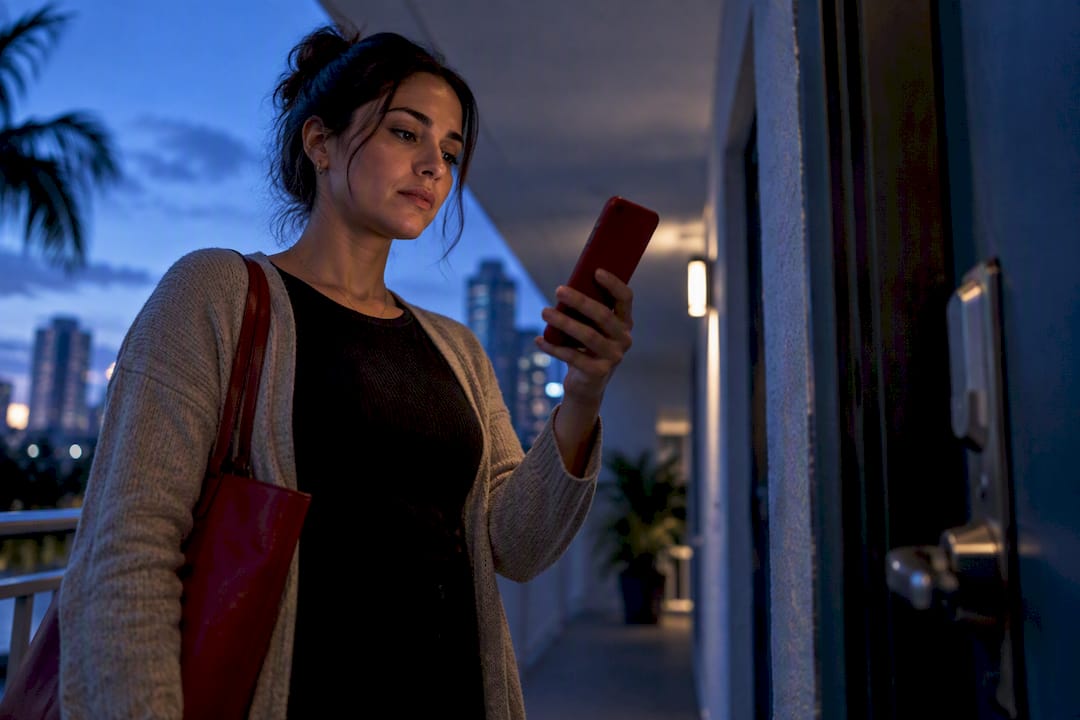
Call a licensed 24/7 locksmith immediately, or 911 if anyone is in danger. Locksmiths regularly handle lockouts without a photo ID by using alternative verification like mail, digital ID scans, or a landlord’s confirmation. While you wait, pull together any digital proof of address or ownership you can find and think of one neighbor or family member who could vouch for you by phone.
TL;DR:
Most locksmiths accept alternative verification methods such as utility bills, lease agreements, or digital IDs, which can speed up entry in lockout situations.
If you lack proper ID, providing a photo of your documents or having a trusted person vouch for you by phone is often sufficient to confirm your identity.
Call 911 immediately if a child, pet, or person in need of medical aid is locked inside or if there is a break-in concern; otherwise, a licensed locksmith is the safest choice.
Locksmiths typically use non-destructive entry tools that can open residential doors in under an hour and usually do not damage vehicles when using electronic programming tools.
Securing your property after a lockout should include rekeying if keys are lost outside, storing digital backups of ID, and giving a spare key to a trusted person to prevent repeat emergencies.
Table of Contents
What To Do First When You’re Locked Out Without Identification
Before you panic about the missing wallet or purse, work through the basics. Most lockouts get solved faster than people expect, and a few smart moves in the first ten minutes save you time and money.
For a house lockout:
Check every other door and ground-floor window. Garages, side doors, and pet doors are often unlocked even when the front door isn’t.
Call anyone who might have a spare key, roommates, family, a landlord, or a neighbor you trust with one.
If your building has a manager or concierge, contact them next. Many can let you into common areas or verify your tenancy on the spot.
If nothing works, call a locksmith. Skilled technicians can open a residential door without damage in most cases.
For a car lockout:
Check whether a door or the trunk was left unlocked. It happens more often than drivers admit.
Call roadside assistance if you have coverage through insurance or an auto club.
If your phone is locked inside the car, borrow a stranger’s phone or step into a nearby business and ask to use their line.
A locksmith or auto locksmith service can get you back in and, if needed, handle locked keys in a car the same visit.
For a business lockout, contact your property manager, a co-owner, or your alarm monitoring company first. They may have a code or a key on file that resolves the whole problem without a service call.
While you wait for help, start collecting proof. Pull up email confirmations for utility bills, your lease, or car insurance on your phone. Text a neighbor or coworker and ask if they’d be willing to speak to the locksmith by phone to confirm who you are. That five minutes of prep speeds up everything that follows.
What Can You Show Instead Of A Photo ID?
Locksmiths deal with this situation constantly, and most have a working system for it. A missing driver’s license or passport doesn’t automatically stall the job, because locksmiths accept a range of alternative proofs when the real document is out of reach.
Here’s what typically works:
A digital copy or photo of your ID, saved in your phone’s photo library or a cloud drive.
A recent utility bill or piece of mail addressed to you at that location, even a photo of an envelope in the mailbox.
A lease agreement or mortgage statement with your name and the property address.
Digital vehicle registration or insurance card pulled up through an insurer’s app for car lockouts.
A phone call to a landlord, building manager, neighbor, or employer who can confirm your identity and connect to that address or vehicle.
For homes, a lease or utility bill carries the most weight. For cars, insurance and registration apps do the job fastest, since most insurers let you pull up a digital card in seconds. For businesses, a call to a co-owner or property manager is usually the quickest path.
Pro Tip: Take a photo of your driver’s license and store it in a password-protected note or encrypted cloud folder now, before you ever need it. It takes two minutes and solves this entire problem the next time it happens.
Many locksmiths will also open the door first, then ask for identification once you’re safely inside, which is common practice according to one industry breakdown of proof-of-residence rules. That sequence keeps the process moving without skipping verification altogether.
When Should You Call 911 Instead Of A Locksmith?
Verification exists for a real reason. It’s the barrier that keeps a locksmith from becoming an unwitting accomplice to a break-in, and thirteen U.S. states legally require locksmiths to be licensed, which makes identity checks a formal, not optional, part of the job.
Some situations override the normal process completely:
A child, elderly person, or pet is locked inside and can’t let you in. Call 911 first, not a locksmith.
Someone inside needs medical attention. Emergency responders can force entry with an authority a locksmith doesn’t have.
You suspect someone else is inside who shouldn’t be there. That’s a police matter, full stop.
If a locksmith declines the job because your proof isn’t sufficient, don’t take it personally. Ask if a police welfare check can help confirm your right to enter, or wait for a landlord or property manager who can verify in person. A witness on the scene resolves most standoffs within minutes.
What Happens When The Locksmith Arrives?
A licensed locksmith typically uses non-destructive tools first, picks, tension wrenches, or bypass tools, before considering anything more invasive. For most residential doors, that process takes well under an hour once the technician is on scene.
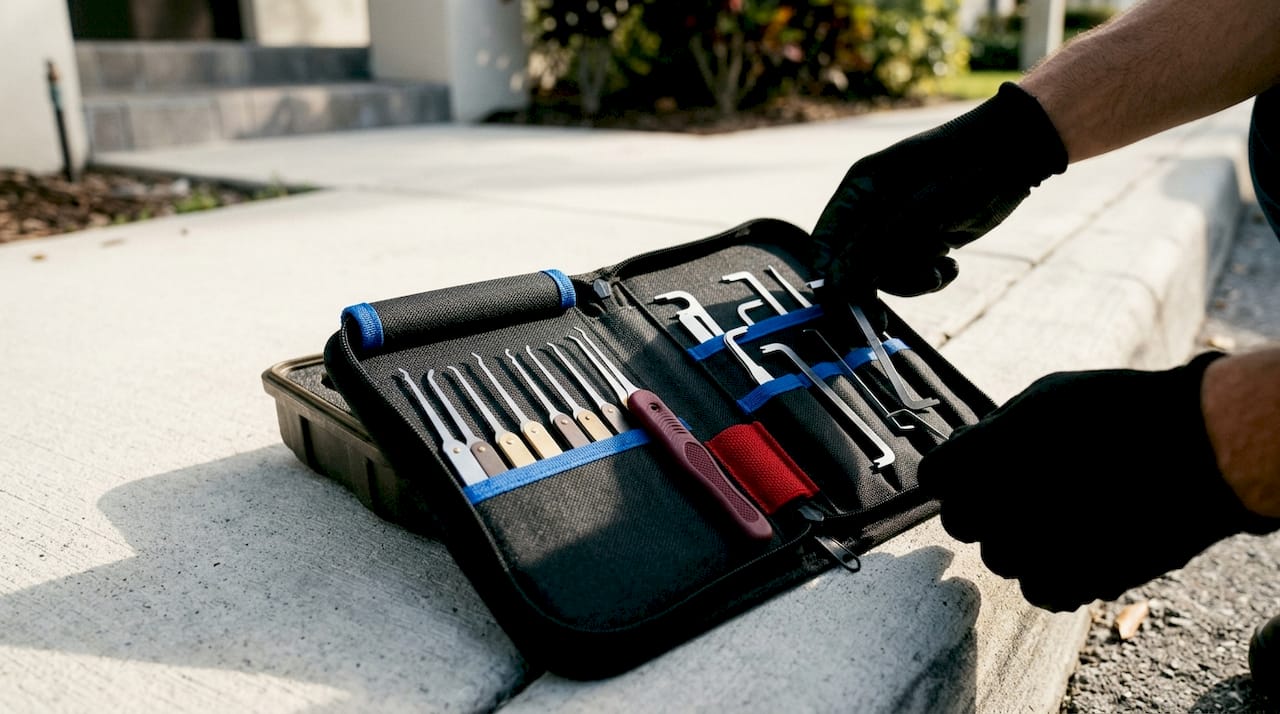
Cars are a different story. Modern vehicles increasingly rely on transponder chips and electronic key fobs rather than simple metal keys, so a technician may need specialized programming tools instead of a slim jim. That complexity is part of why auto lockouts involving lost fobs or chipped keys tend to run higher than a basic door unlock.
Expect these on a typical visit:
A short window for arrival, often faster during business hours than late at night, when after-hours surcharges commonly apply.
A request to sign a basic authorization or damage release form, standard paperwork that protects both you and the locksmith.
Payment collected after entry, once you’ve confirmed identity.
A marked vehicle and a technician willing to show a license or company ID on request.
If a technician arrives in an unmarked van, refuses to show credentials, or wants full payment before doing anything, treat that as a red flag and ask questions before letting them proceed.
Securing Your Property After You’re Back Inside
Getting the door open is only half the job. What you do in the next hour matters just as much as the lockout itself.
Locate your ID and confirm nothing else is missing from your bag, car, or office.
If you lost your keys somewhere outside rather than locking them inside, consider rekeying the affected lock the same day. A lost key is a security risk until the lock changes.
Give a spare key to one trusted person, a family member, close friend, or neighbor, so this doesn’t repeat itself.
Look into a keypad or smart lock for doors you use daily. Code-based entry removes the “no key, no ID” problem entirely.
Store encrypted digital backups of your ID, lease, and vehicle registration somewhere you can access from any phone.
Schedule a rekey or full lock replacement within days if you have any doubt about who might still have access to your old keys.
A Locksmith’s View On Handling Lockouts Without ID
Verification isn’t red tape for its own sake. It’s what keeps a locksmith from opening someone else’s door by mistake, and most of the workarounds, a utility bill, a landlord’s phone call, exist because real emergencies rarely come with paperwork in hand. The detail people forget most often is saving a landlord’s or property manager’s number where they can find it fast, not buried in a contact list they can’t reach. Licensed locksmiths lean on non-destructive tools by default, so getting back inside safely almost never means a damaged door or frame.
— Julio Borroto
Get Back Inside Fast With Progressive Locksmith - Cerrajero Miami
Some locksmith companies offer alternative verification methods such as digital ID copies, mail, or a landlord on speakerphone to help clients without traditional identification avoid delays.
The team answers calls 24/7 in English and Spanish and covers residential, auto, and commercial lockouts with non-destructive entry as the default approach. Beyond getting you back inside, Progressive Locksmith - Cerrajero Miami handles key duplication and car lockout services, transponder and key fob programming, and rekeying if your lost keys mean it’s time to change the locks.
Have your address or vehicle info ready, along with any digital proof you can pull up, and let the locksmith nearest you in South Miami take it from there. Call now to get a technician on the way.
Sources
FAQ
Can A Locksmith Legally Open My Door Without ID?
Yes, most locksmiths will proceed using alternative proof like a lease, mail, or a landlord’s confirmation, then ask for ID once you’re inside. In states requiring locksmith licensing, some form of verification is required before or immediately after entry.
What If I Have No Documents At All, Digital Or Physical?
Ask a neighbor, family member, landlord, or employer to speak with the locksmith by phone and confirm your identity and address. If no one is reachable and the situation isn’t urgent, waiting for a witness or a property manager is usually faster than it feels in the moment.
Should I Call 911 Or A Locksmith First?
Call 911 first only if there’s immediate danger, a child or pet trapped inside, a medical emergency, or signs of a break-in. For a standard lockout with no safety risk, a licensed locksmith is the faster and appropriate call.
How Much Does An Emergency Lockout Cost?
Pricing depends on the job and time of day; check Progressive Locksmith - Cerrajero Miami’s current rates for car lockout and key replacement services. Auto lockouts involving transponder keys or fobs typically run higher due to the specialized programming tools required.
Will The Locksmith Damage My Door Or Car?
Licensed technicians default to non-destructive entry methods like picking or bypass tools, and most residential doors open within the hour without any damage. Vehicles occasionally need electronic tools rather than physical manipulation, but the goal is always entry without harming the lock or frame.
Recommended
Comments