

Locked Out of Your Apartment: What to Do Right Now

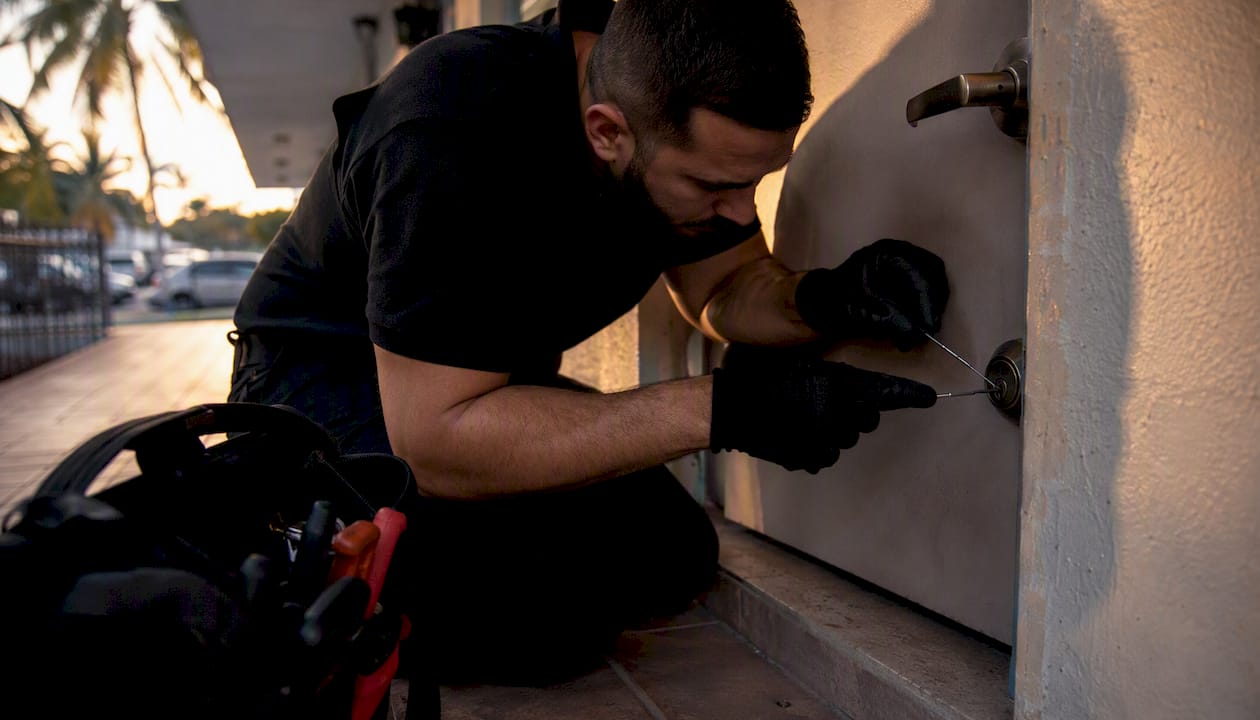
If you’re locked out of your apartment, call your property manager or building staff first. Many managed buildings keep a spare key on file and offer an after-hours emergency line that can get you back in faster than any locksmith. If no one answers, call a trusted roommate or neighbor who holds a spare. Only after exhausting those two options should you call a licensed locksmith.
Here’s what to do right now:
Call your property manager or building concierge. Apartment management commonly keeps spare keys and may have a 24/7 maintenance line. This is almost always your fastest and cheapest path back in.
Try a roommate or trusted neighbor. If someone you know has a copy of your key, one call solves the problem in minutes.
Call a licensed locksmith as a last resort. A daytime call typically runs $50–$150; after-hours service usually costs $150–$300. Get a written estimate before anyone touches your door.
If there is immediate danger inside your apartment — a child or pet locked in, a gas smell, or any welfare emergency — call 911 first. Police can authorize forced entry when life is at risk. Everything else on this list can wait.
Key Takeaways
When you’re locked out of your apartment, calling your property manager first is almost always the fastest and cheapest path back in — a licensed locksmith is the right call only after free options are exhausted.
Point | Details |
Call management first | Property managers often hold spare keys and may resolve the lockout for free or a small fee. |
Locksmith cost range | Daytime calls typically run $50–$150; after-hours service usually costs $150–$300. |
Vet before you hire | Ask for a written estimate, a physical business address, and photo ID before any work begins. |
Prevent the next one | A spare key with a neighbor, a lockbox, or an Apple AirTag on your key ring costs under $40. |
Progressive Locksmith - Cerrajero Miami | Offers 24/7 residential lockout response with non-destructive entry, written estimates, and itemized receipts. |
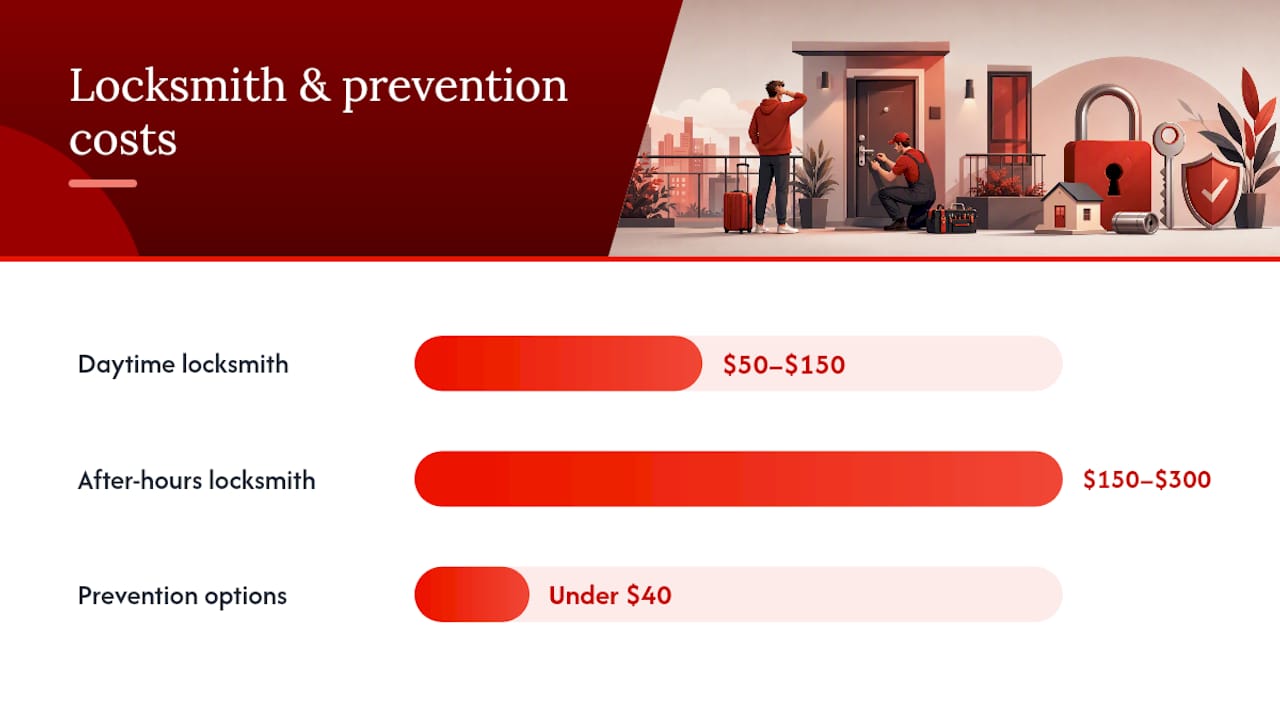
Table of Contents
What to do when you’re locked out of your apartment
Work through this list in order. The steps at the top are fastest and cheapest; the ones at the bottom take longer or cost more.
Check yourself first. Pat every pocket, check your bag, and look inside any vehicle you just left. A surprising number of lockouts end here.
Confirm you’re at the right door. If you recently moved or your building has multiple entrances, double-check the unit number and floor.
Call a roommate or household member. If someone else lives with you, this is your fastest option. Ask them to come home or tell you where a spare key is.
Call a neighbor or trusted contact with a spare. Did you give a copy to a friend in the building? Now is the time to use that favor.
Call your property manager or building concierge. Most managed communities keep a master or spare key on file. Some buildings offer this service free during business hours; after-hours help may carry a small fee.
Contact on-call maintenance. Many larger apartment complexes have a maintenance line separate from the leasing office. Check your lease or welcome packet for that number.
Call a licensed locksmith. If none of the above works, a professional locksmith is your next step. See the vetting checklist in the next section before you dial.
What to have ready before you make any of these calls:
A government-issued photo ID
Your lease agreement or a piece of mail with your name and unit address
The building’s non-emergency contact number (saved in your phone or on your lease)
Property managers typically verify identity with photo ID and lease documentation before releasing a spare key, so having those items ready cuts wait time significantly.
On alternative entry points: A ground-floor window left unlocked or an accessible balcony door might seem tempting. Check them only if you can reach them safely from ground level without climbing, and only if you are certain it is your unit. Never climb a ladder, scale a balcony railing, or force a window from outside. The injury risk and potential property damage are not worth it.
Pro Tip: Save your building’s emergency maintenance number in your phone under “Apartment Emergency” right now, before you need it. Most tenants only look for it after they’re already locked out.
How to vet a locksmith and what to expect on the call
When a locksmith makes sense
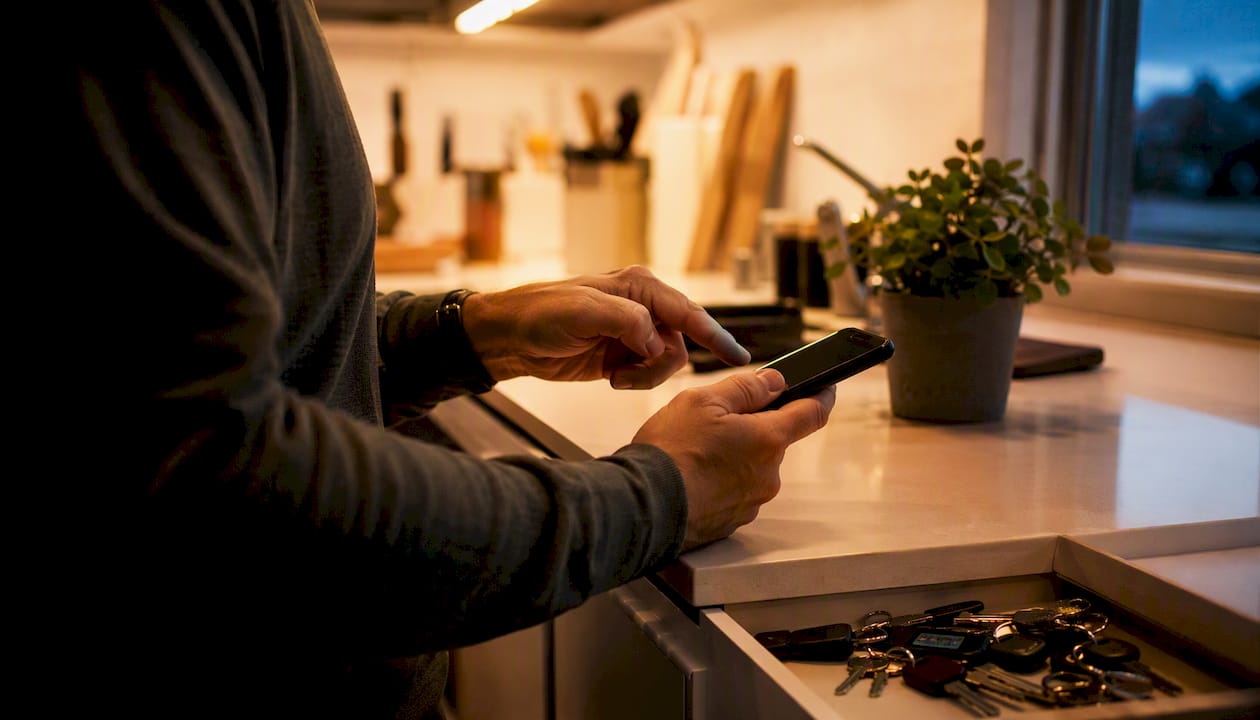
Call a locksmith when your property manager is unreachable, no spare key exists, and you have a genuine safety concern about waiting outside. After-hours lockouts with no building staff available are the clearest case.
What fees to expect
These cost ranges come from Rentler’s tenant guidance, which notes that final pricing depends on your location, lock type, and time of day. Always ask for a written estimate before work begins.
Vetting checklist: ask these questions on the phone
“What is your company’s full name and physical business address?”
“Are you licensed and insured in this state?”
“Can you give me a written estimate before you start?”
“What is the name of the technician coming to my door?”
“What does your service vehicle look like?”
Any locksmith who refuses to answer these questions, gives a vague address, or quotes an unusually low price over the phone and then raises it on arrival is a red flag. Locksmith scams are common with unverified mobile operators; the most frequent tactic is a low phone quote followed by a dramatically higher bill once the technician is at your door.
Pro Tip: When the technician arrives, photograph their ID and the license plate of their vehicle before they begin work. Keep that photo. If a dispute arises later, you have documentation.
When you call, also confirm: will the technician use a non-destructive method? A skilled locksmith should be able to open a standard residential deadbolt or knob lock without drilling. Drilling is a last resort and should be disclosed and priced separately upfront.
What not to do: safety, damage, and legal risks
Do not attempt forced entry on your own. Kicking in a door, breaking a window, or prying a lock frame can cause hundreds of dollars in damage that your landlord will charge against your security deposit. Beyond the cost, these actions can injure you and may violate your lease’s property-damage clause.
Avoid these actions specifically:
Climbing to a balcony or upper-floor window. Falls from even a second-floor ledge cause serious injuries.
Hiring a locksmith who knocks on your door unsolicited or who you found only through an unverified online ad with no physical address.
Attempting to drill or pick your own deadbolt without training. Damaged lock cylinders often require full replacement, which costs more than a professional unlock.
Changing your lock without landlord approval. Most leases prohibit unauthorized lock changes, and doing so can result in lease violations or eviction notices.
Legal and lease considerations: Review your lease for a lockout clause. Some leases specify that the tenant is responsible for locksmith costs; others allow management to charge a service fee. If your landlord changes your lock without notice or refuses to provide access, that is a separate legal matter. HUD’s Office of Fair Housing and Equal Opportunity provides tenant rights resources that can help you understand your options in a dispute.
When to call 911: Police are not typically equipped to open apartment doors for routine lockouts, and most departments will not respond to a standard one. Call emergency services when there is a child or pet locked inside, when someone inside may be injured or unresponsive, or when you smell gas or smoke. In those situations, call 911 immediately and step away from the building.
For general guidance on home lockout safety, the steps at Locked Out of House: Fast, Safe Steps to Get Back In cover overlapping scenarios worth reviewing.
How to prevent future lockouts
The best lockout is the one that never happens. These options range from free to a modest one-time cost.
Low-cost options:
Give a spare key to a trusted neighbor, friend, or family member nearby.
Keep a spare at your workplace if it’s close enough to be practical.
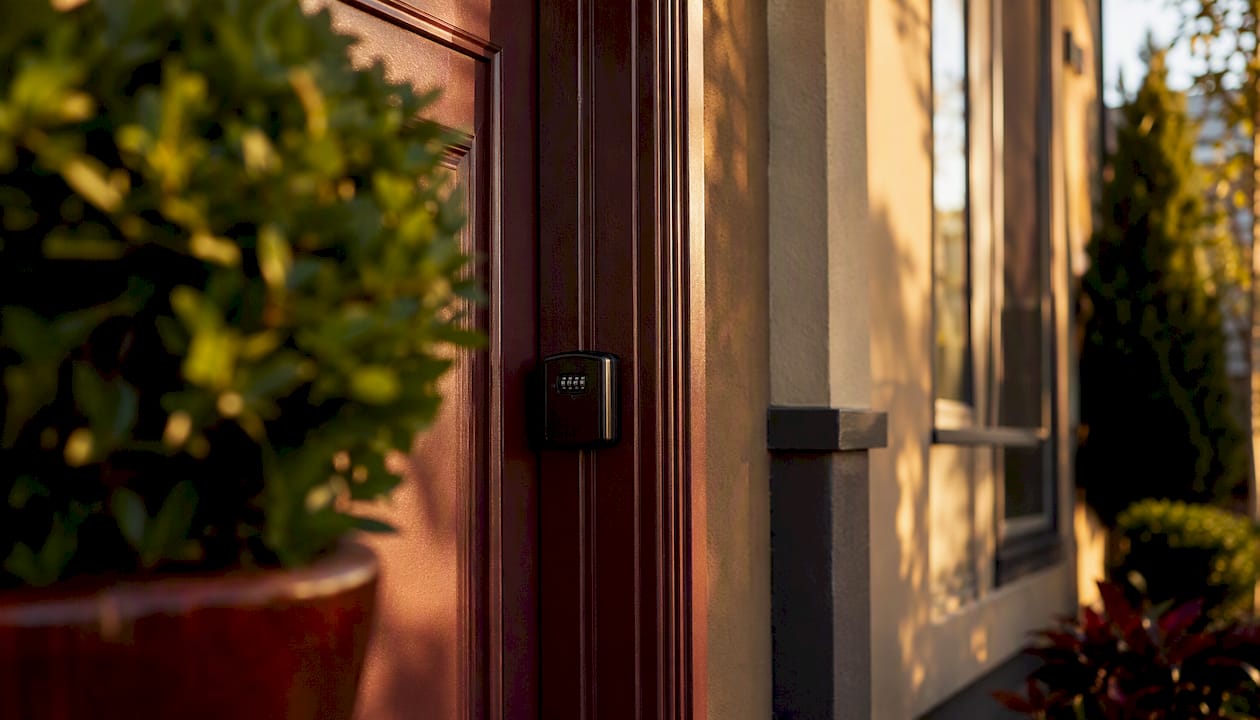
Install a secure key lockbox on an exterior wall or fence post where your lease permits. A combination lockbox costs $20–$40 and gives you a backup that doesn’t depend on anyone else being available.
Tech options:
Apple AirTag or Tile: Attach one to your key ring. Both use Bluetooth and crowd-sourced location networks to help you find misplaced keys before you leave home. Key trackers like Apple AirTag and Tile are practical quick-finding tools that cost under $30 and work with your existing keys.
Smart locks and keyless entry: A keypad or app-controlled lock eliminates the physical key entirely. The catch: smart locks require landlord approval in most rentals, and some leases prohibit hardware changes to exterior doors. Always get written permission before installing one.
Choosing a lockbox or smart lock: a short checklist
Confirm your lease allows exterior hardware installation.
Get written approval from your landlord or property manager.
Choose a model that can be removed without damaging the door frame when you move out.
For smart locks, verify the lock is compatible with your door’s existing deadbolt bore.
Register the device and store the backup code or key somewhere separate from your phone.
One habit that costs nothing: Before you close your apartment door, touch your keys. Make it a physical check, not a mental one. This single routine eliminates the most common cause of lockouts.
What to do after you’re back inside
Getting back in is step one. Protecting yourself financially and legally is step two.
Notify your landlord or property manager in writing. Even if building staff helped you, send a brief email documenting what happened, when it happened, and what it cost. This creates a paper trail if any deposit dispute arises later.
Here is a short message you can adapt:
“Hi [Name], I wanted to let you know that I was locked out of Unit [X] on [date] at approximately [time]. I contacted [building staff / a licensed locksmith] and regained access at [time]. The locksmith fee was $[amount]. I’m attaching the invoice for your records. Please let me know if you need anything further from my end.”
Save every receipt. A locksmith invoice, photos of any door or lock damage, and a screenshot of your call log are all useful if a reimbursement question comes up.
Check your renter’s insurance policy. Some policies cover lockout assistance or reimburse locksmith fees up to a set limit. Call your insurer and ask specifically about lockout coverage and what documentation they need. Progressive Locksmith - Cerrajero Miami provides itemized receipts after every service call, which is exactly the documentation most insurers require.
Steps to request landlord reimbursement:
Send the written notification email above with the invoice attached.
Reference any lease clause that assigns lockout responsibility to the landlord or building.
Keep a copy of all correspondence.
If the landlord disputes the charge, consult your local tenant rights office or the HUD fair housing resources for next steps.
How a professional locksmith handles a typical apartment lockout
Understanding what a skilled technician actually does helps you recognize legitimate work and spot anyone cutting corners.
Common non-destructive methods by lock type:
Privacy latch (interior bedroom or bathroom door): These use a simple push-pin or small-hole release. A thin tool inserted into the hole on the exterior knob disengages the latch in seconds. This technique works reliably on interior privacy locks; it does not work on keyed exterior locks.
Cylindrical knob lock (exterior): A trained locksmith uses a pick set or a bypass tool to manipulate the pin tumblers without damaging the cylinder. This takes 1–5 minutes on a standard residential knob.
Deadbolt: More pins, more time. A skilled technician uses single-pin picking or a tension wrench method. If the lock is high-security (Medeco, Mul-T-Lock), the technician may need to call ahead for specialized tools. Drilling is only appropriate when the lock is damaged or the cylinder is seized.
Trust signals to expect from a professional visit:
Arrives in a marked vehicle with the company name visible
Shows a photo ID and business card before starting
Provides a written estimate and explains the method they plan to use
Does not begin work until you approve the price
Gives you a receipt with the company name, license number, and itemized charges
A professional locksmith’s job is to get you back in without damaging your door or your lock. If a technician immediately reaches for a drill without attempting a non-destructive method first, ask why. Drilling should be a last resort, not a default.
A typical after-hours call handled by a professional looks like this: the technician arrives within 30–60 minutes, verifies your ID and confirms the unit number, picks the lock non-destructively in under 10 minutes, and hands you a printed receipt before leaving. The whole process, from call to key in hand, usually takes under an hour. You can see the tools and capabilities behind that kind of service at our workshop.
From our team: what we recommend when you’re locked out
Being locked out feels worse at 2 AM than it actually is. The situation is almost always fixable within an hour, and in most cases it costs less than you fear. Our team at Progressive Locksmith - Cerrajero Miami handles these calls every day, and the advice is consistent: start with your property manager, exhaust your free options, and only then call a locksmith.
When you do need a professional, the goal is always non-destructive entry. We carry the tools to open standard residential knob locks and deadbolts without drilling, which means your lock works exactly as it did before we arrived. We also document every job with a written estimate and a receipt, so you have what you need for any insurance or reimbursement claim.
Need a fast, professional locksmith right now?
When your property manager is unreachable and you need someone at your door tonight, Progressive Locksmith - Cerrajero Miami offers 24/7 emergency lockout response for residential properties across Miami-Dade County. Every call includes a written estimate before work begins, a licensed and insured technician, and a receipt you can submit to your renter’s insurance.
Services available for your situation:
24/7 apartment lockout response — non-destructive entry as the first approach
Key duplication — get a spare made on the same visit
Lock repair and replacement — if your lock is damaged or needs an upgrade
Smart lock installation — with landlord-approved hardware options
Call or visit our home lockout services page to reach a technician now, or browse our full services overview to see everything we handle. If you’re in the south Miami area and need someone nearby, our local locksmith page shows coverage and contact details.
Sources
Recommended
Comments